The Great Barrier Reef is a site of remarkable variety and beauty on the north-east coast of Australia. It contains the world’s largest collection of coral reefs, with 400 types of coral, 1,500 species of fish and 4,000 types of mollusc. It also holds great scientific interest as the habitat of species such as the dugong (‘sea cow’) and.. The Great Barrier Reef, known for its stunning reefs and crystal-clear water, is home to a complex and fascinating food web. This intricate network of interconnected organisms, including fish, corals, and other marine life, relies on each other for survival. This intricate system of coral reef ecosystems includes producers, consumers, and.
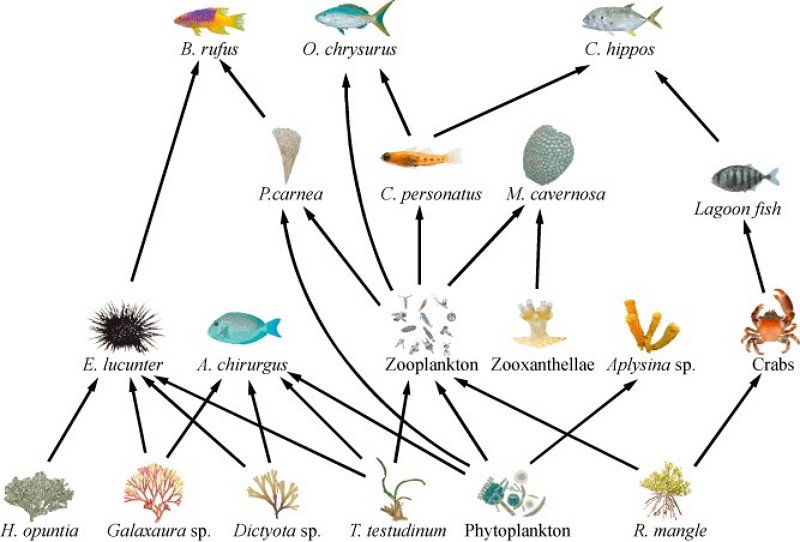
A Guide to Understand Food Web with Diagram EdrawMax Online
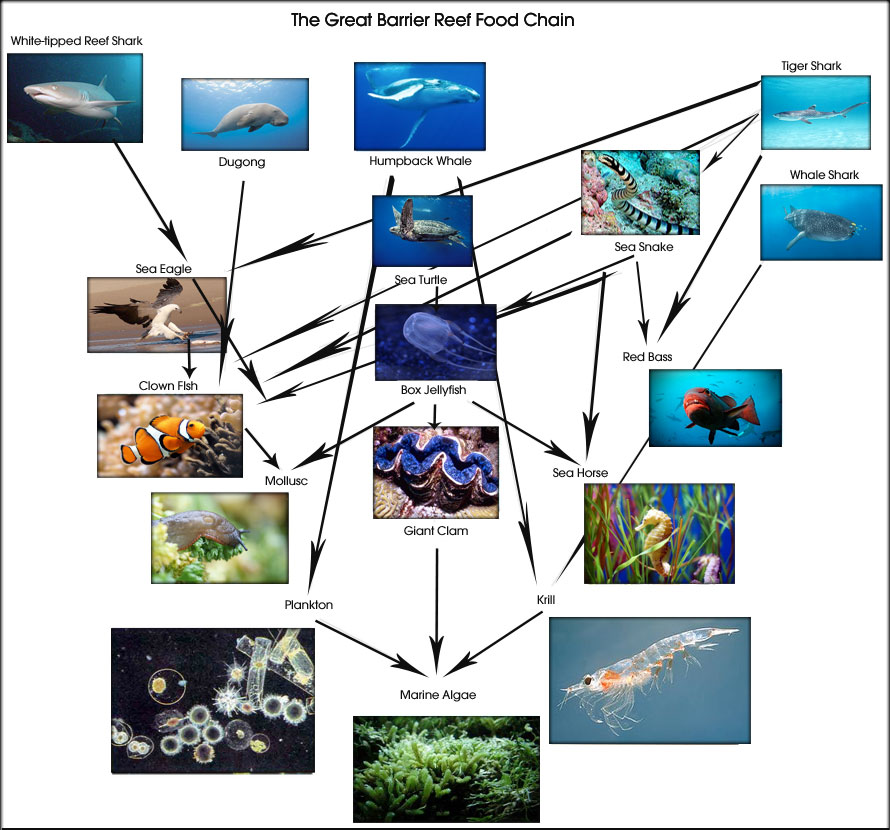
Food Web The Great Barrier Reef
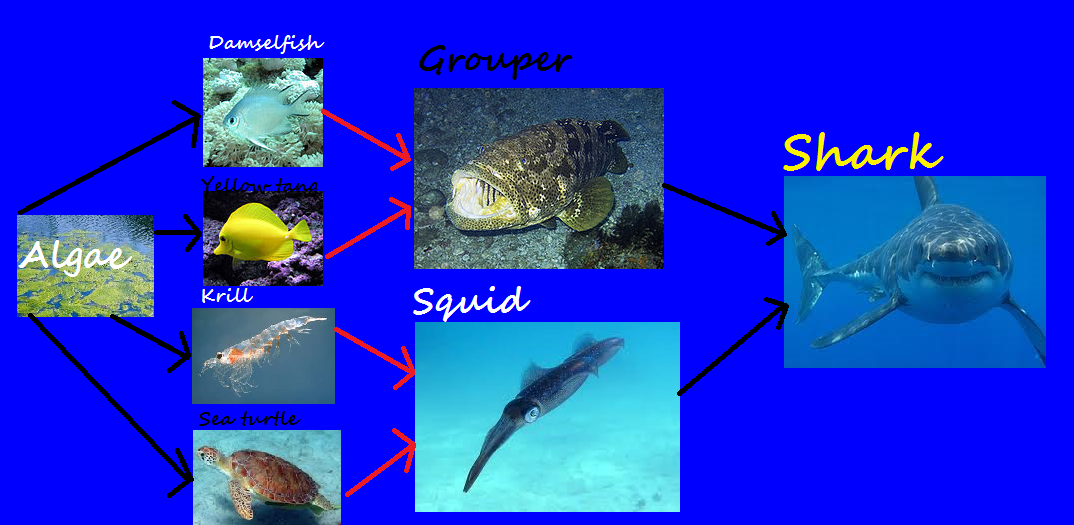
Coral Reef The Marine Biome
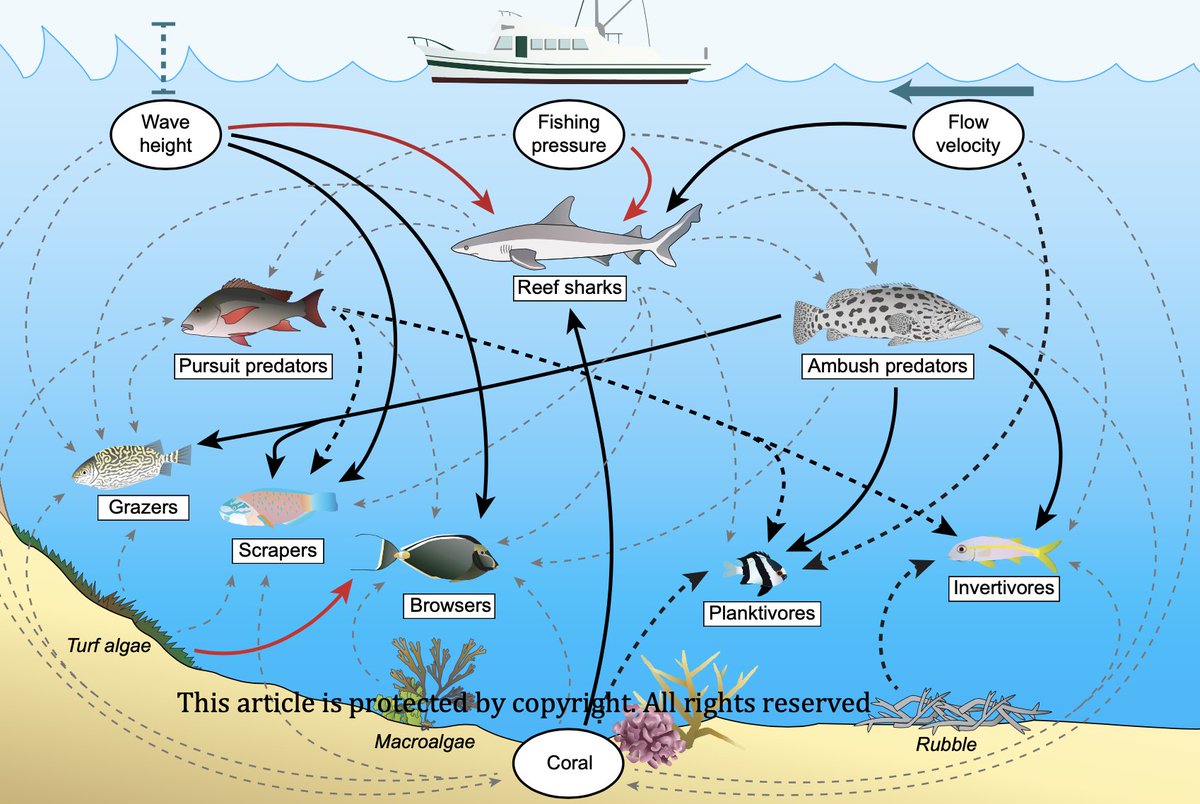
Coral Reef Food Web
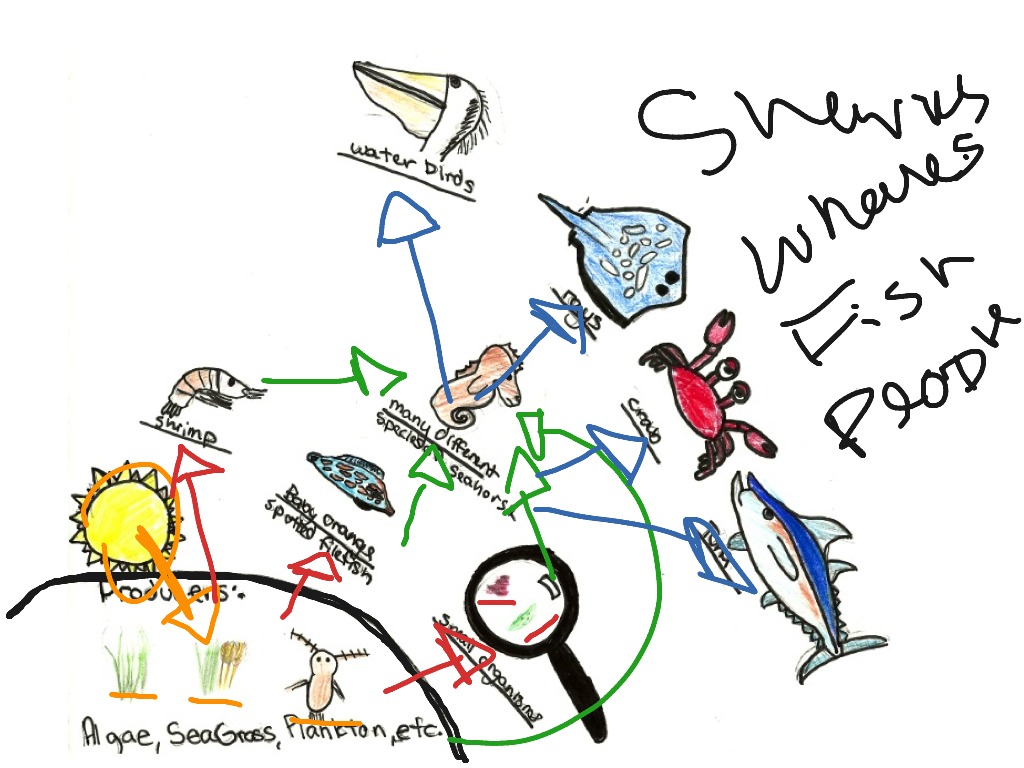
Seahorses of The Great Barrier Reef Science, Food Chain ShowMe
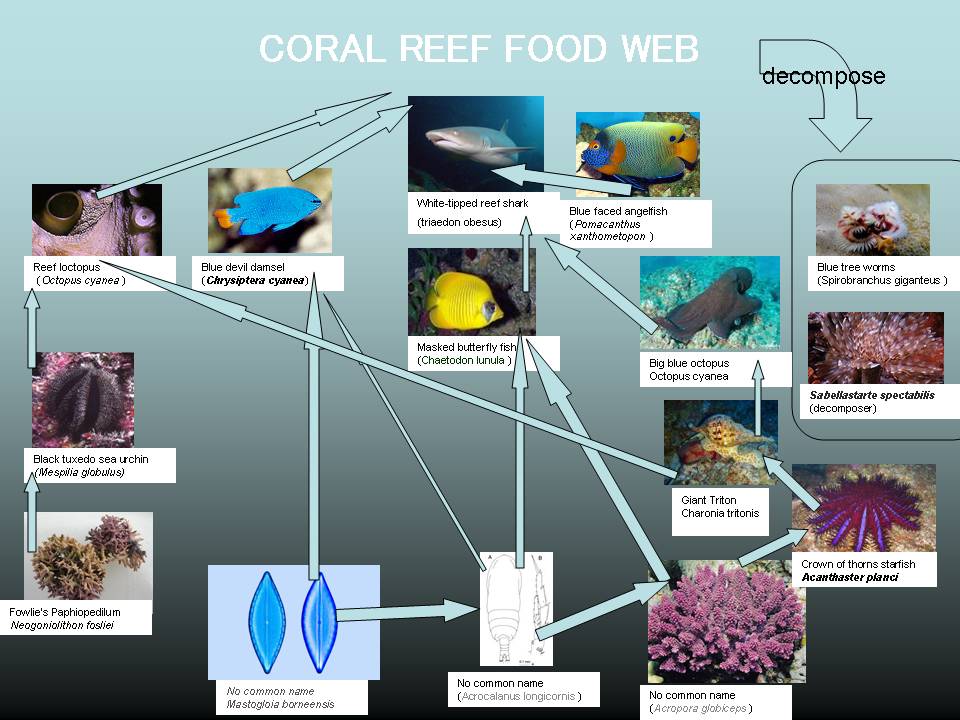
Food Web South East Asian Coral Reefs

Coral Reef Food Web, Coral Reef Biome, Coral Reef Ecosystem, Hard Coral, Sea Coral, Biomes
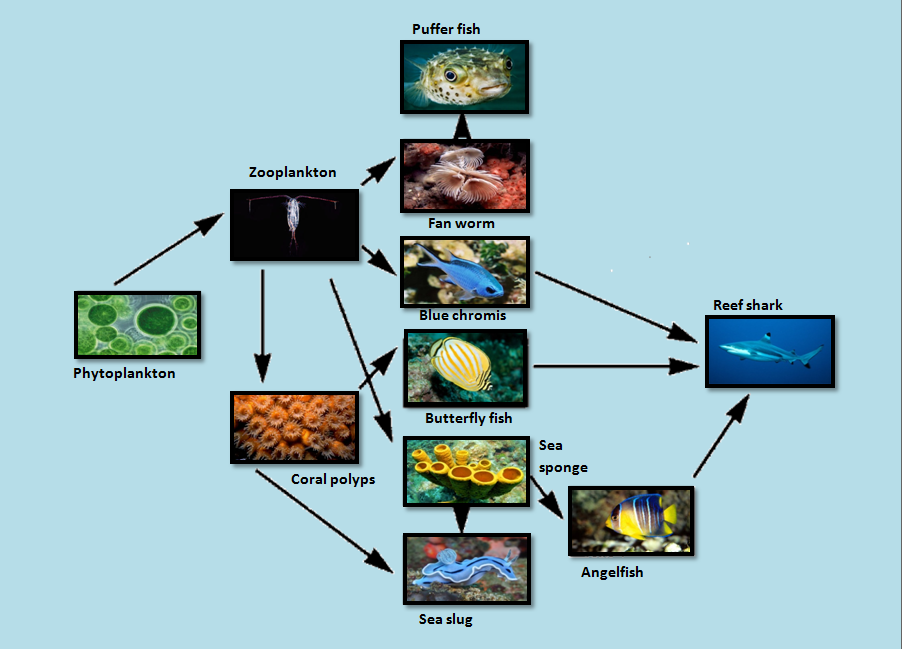
Food Web The Coral Reef

Food Web Great barrier reef by sam wilkinson
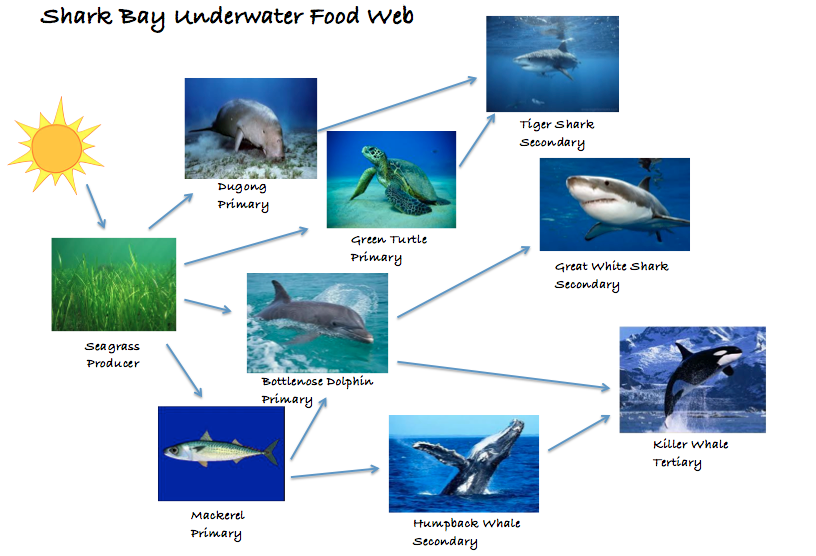
Shark Bay Underwater Food Web Living Tourist Company
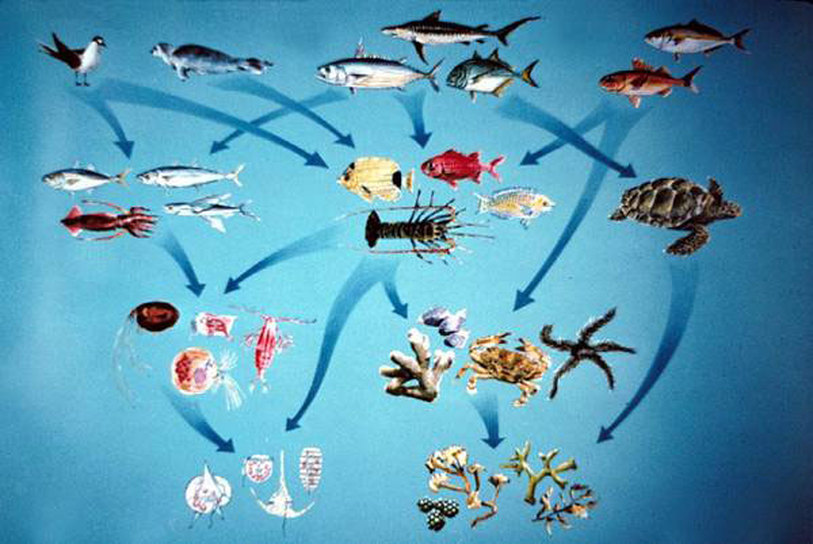
Food Web Marine Biome The Great Barrier Reef
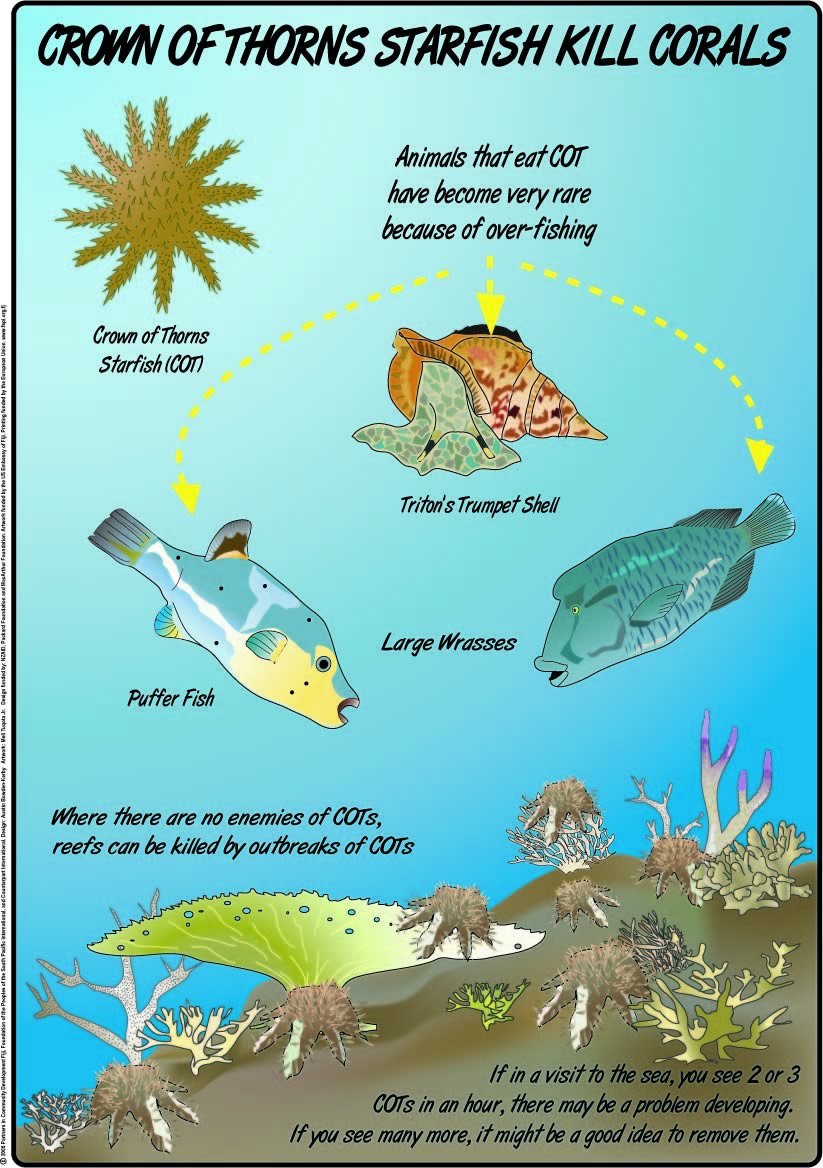
The World’s Greatest Barrier Reef Australia’s great underwater world Page 2

My Food Web The Great Barrier Reef Food Web
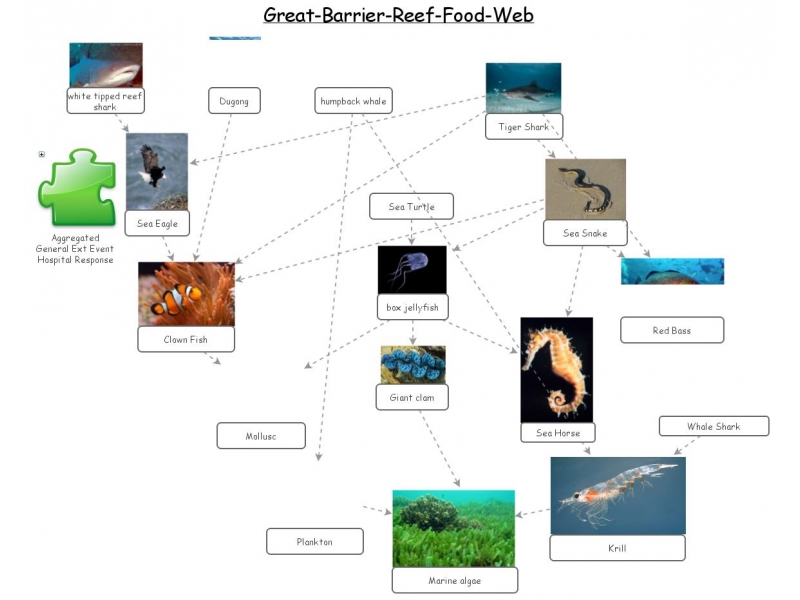
The Grate Barrier Reef Food Chain Insight Maker

coral reef food chain facts Danae Fuentes
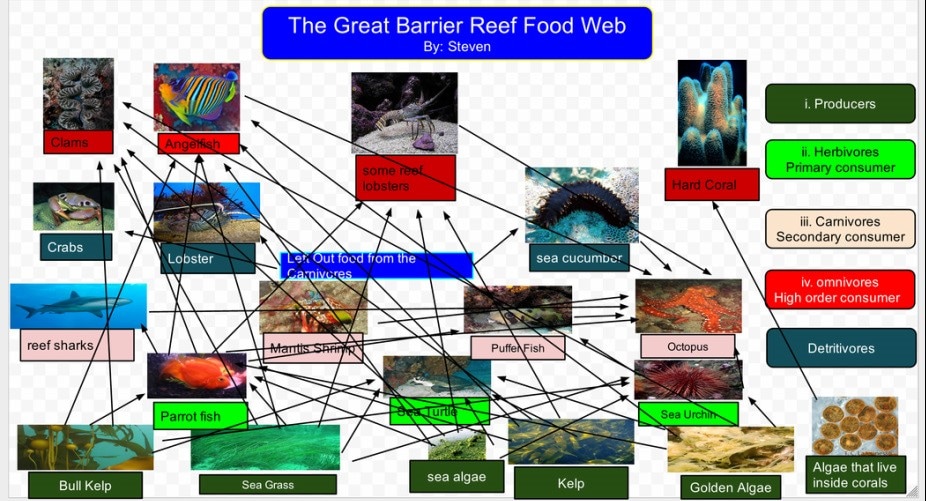
Food Web Great barrier reef by sam wilkinson

the Food Web
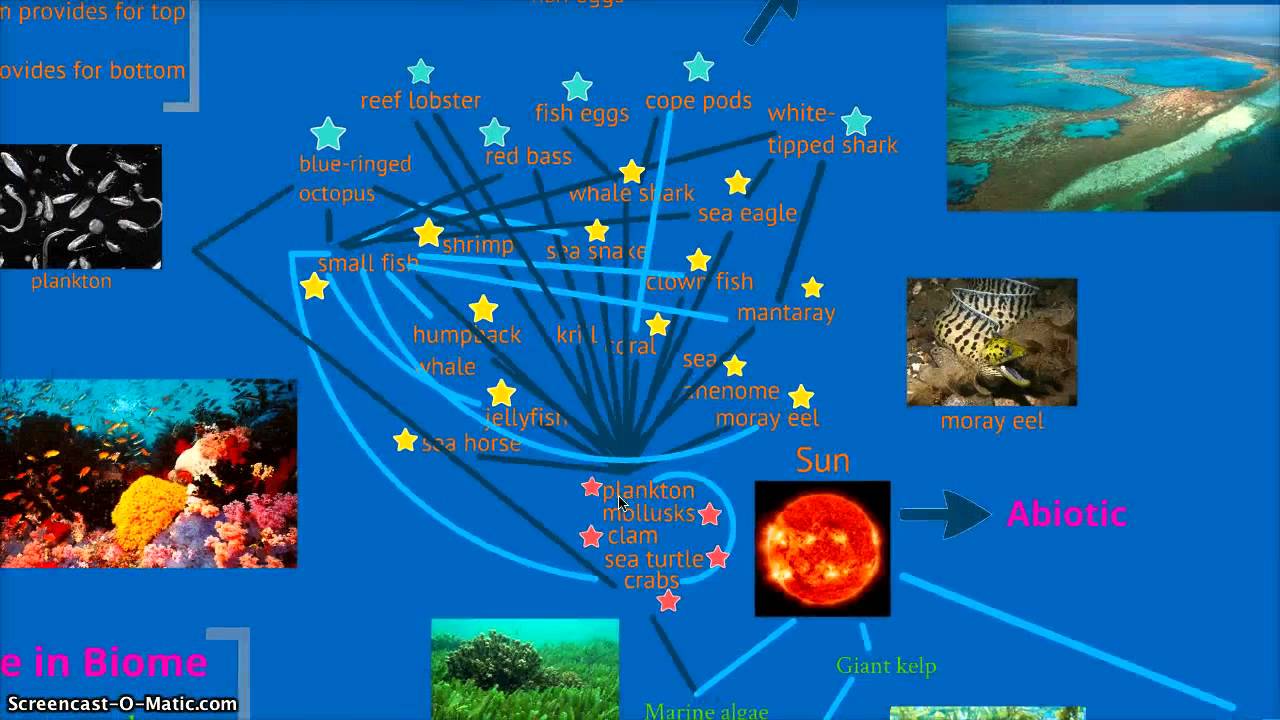
Australia Coral Reef Biome Food Web YouTube
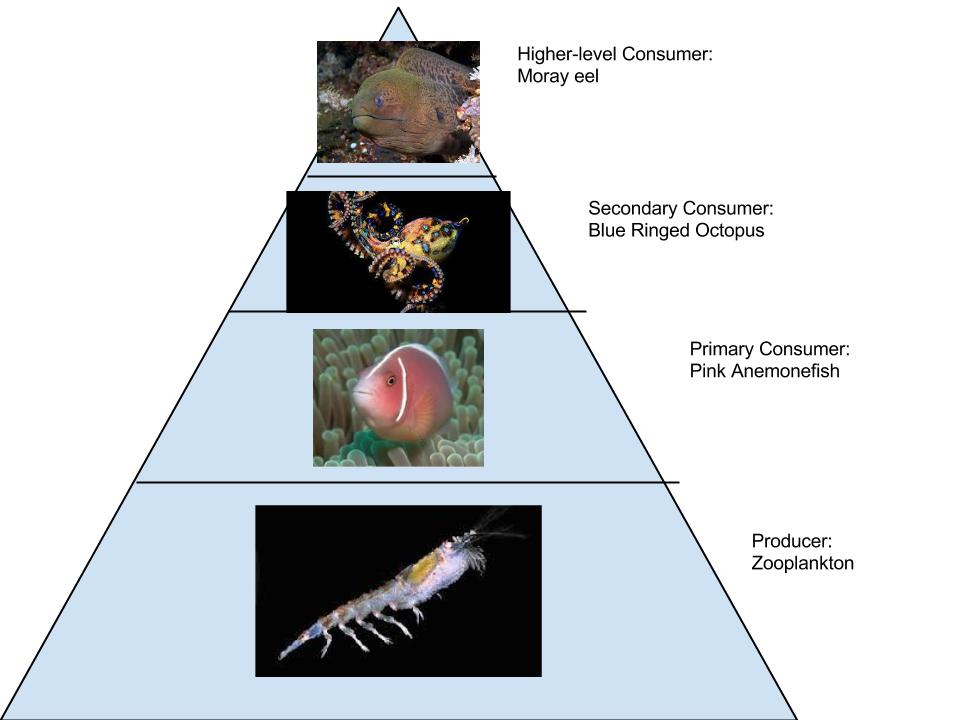
Relationships Great Barrier Reef

Wildlife The Great Barrier Reef
The top predator in the coral reef food web is a blacktip reef shark. What are the decomposers in the coral reef food web illustration? The decomposers are the polychaete worm and the queen conch. How is energy transfered through a food web? Energy is transfered through the consumption of organisms. VOCABULARY carnivore noun organism that eats.. Coral reefs are the world’s most diverse marine ecosystem, harboring interaction networks of extraordinary complexity. We show that, despite this complexity, global coral reef food webs are governed by a suite of highly consistent energetic pathways, regardless of regional differences in biodiversity. All networks are characterized by species.